
Blogs
Why Is My Truck Going Into Limp Mode? Common Causes Explained

You’re rolling down the highway when your power suddenly drops, and your truck refuses to rev past a certain point. Maybe the dash lights up with warnings you haven’t seen before, or the transmission stops shifting the way it should. If this sounds familiar, you’ve experienced limp mode, and the instinct to panic is completely understandable.
But here’s the thing: limp mode is actually your truck protecting itself. Once you understand why your truck is going into limp mode, the situation becomes a lot less alarming and a lot more manageable. Let’s go through what’s actually triggering it and what you should do next.
What Limp Mode Actually Is
Every modern diesel truck has an engine or transmission control module that watches dozens of sensors simultaneously. When a reading falls outside of safe parameters, the system restricts engine power to prevent catastrophic damage. The result is what you feel as limp mode: reduced power, possibly a locked gear, and warning lights telling you something needs attention. It’s a protective response, not a failure in itself.
The Emissions System Is A Common Trigger
One of the most frequent answers to why my truck is going into limp mode involves the emissions system. A blocked DPF, a failed differential pressure sensor, EGR valve issues, or a problem with your DEF or SCR system can all trigger a derate. Cummins trucks in particular use a progressive derate system where the first warning gives you a limited window before the restriction tightens further. Ignoring that first alert is never a good strategy.
Turbo And Fuel System Issues
A turbocharger that’s not building boost properly, a boost pressure sensor that’s out of range, or fuel rail pressure that’s too low or too high can all force the ECU to limit power. These triggers tend to activate immediately rather than progressively, which is why you might feel a sudden loss of power rather than a gradual decline. Both conditions need diagnostic attention before further driving makes things worse.
Overheating, Transmission, And Electrical Faults
Engine overheating is one of the most immediate reasons why my truck is going into limp mode, since thermal damage to pistons and gaskets can be catastrophic. Transmission fluid that’s too hot, too low, or degraded can trigger a similar response from the TCM. Even a loose ground wire or a corroded connection can generate false fault codes that send the ECM into protection mode, so electrical issues are worth checking before assuming something mechanical has failed. When your truck won’t keep moving, you can learn from the common reasons behind a truck broken down situation to avoid the same mistakes.
Get A Proper Diagnosis First
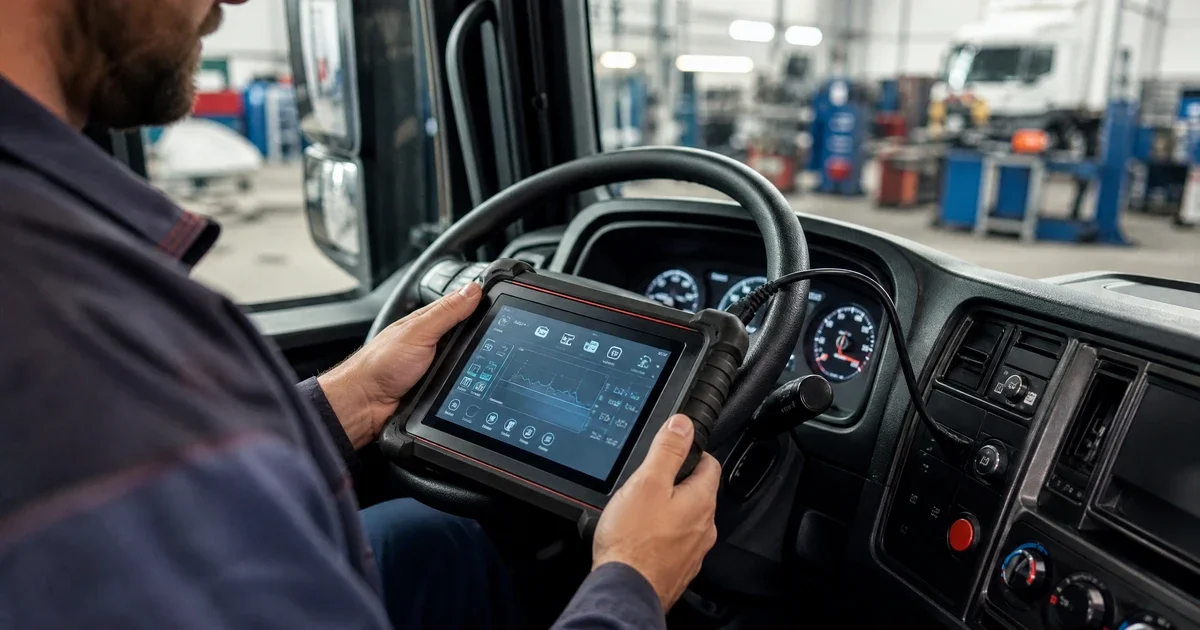
Clearing the codes and hoping the problem doesn’t come back isn’t a fix. If you’re still asking why your truck is going into limp mode after a reset, the underlying fault is still there. Our truck electrical repair and commercial vehicle repair teams diagnose limp mode triggers across all major commercial truck platforms throughout Vancouver and the Portland metro. Avanti Fleet doesn’t guess at the cause. Contact us for a proper diagnostic before the issue gets more serious.