Blogs
Signs Of A Bad EGR Cooler In Diesel Trucks You Shouldn’t Ignore

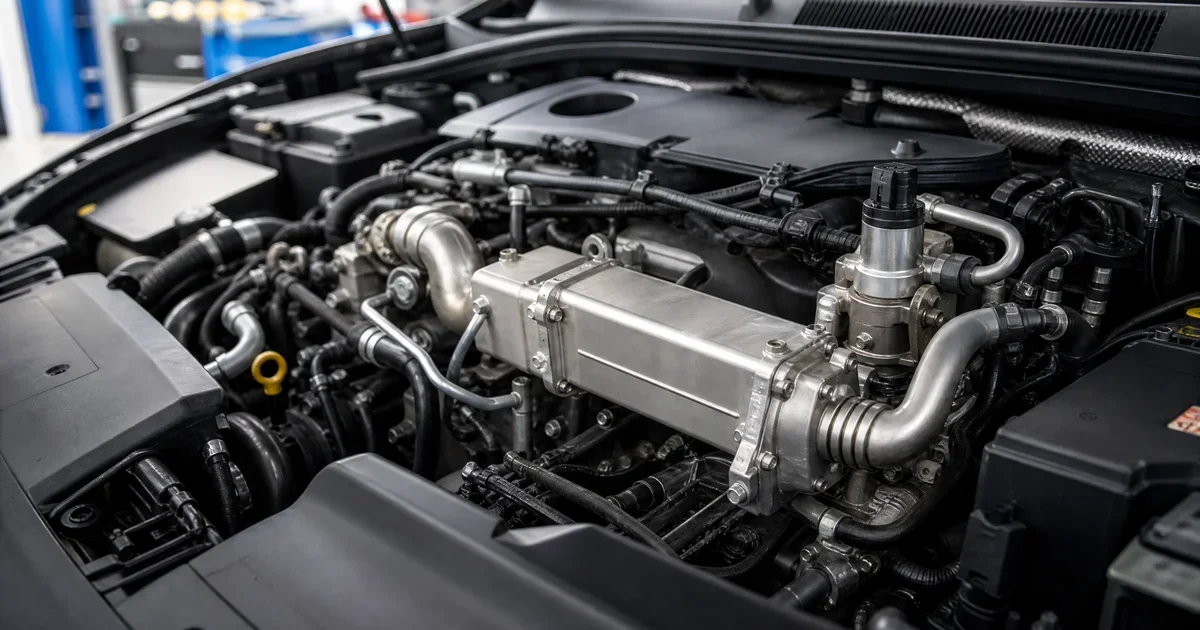
There’s a component buried deep inside your diesel engine that works incredibly hard and gets very little attention until it fails. The EGR cooler runs hot exhaust gases through a heat exchanger cooled by engine coolant, reducing combustion temperatures and cutting nitrogen oxide emissions. It handles thermal extremes that would destroy most other components, and over time, that stress takes a toll.
Catching the signs of a bad EGR cooler early is one of the most valuable things you can do for your engine’s long-term health. Once this component fails internally, the damage it causes can ripple through your entire cooling system. Here’s what to look for before it reaches that point.
White Smoke From The Exhaust
This is usually the first visible sign that something is wrong. When an EGR cooler develops an internal crack or leak, coolant enters the exhaust stream. That coolant vaporizes and exits the tailpipe as white steam or smoke. It’s one of the most recognizable signs of a bad EGR cooler, though it can also indicate a head gasket issue, so confirming the source matters before any repairs begin.
Unexplained Coolant Loss
If you’re regularly topping off your coolant but there are no puddles under the truck and no visible external leaks, the coolant is going somewhere internal. An EGR cooler leaking internally drains coolant directly into the exhaust stream, which means it disappears as vapor rather than showing up as a visible drip. This slow loss is easy to miss until the cooling system runs critically low.
A Slimy EGR Valve
One of the more telling signs of a bad EGR cooler is what you’ll find if you pull the EGR valve and inspect it. Normally, the valve should show a dry, powdery black carbon buildup from soot. But when a cooler is leaking internally, the hot coolant mixes with that soot and creates a slick, dark sludge. If you see that texture, you’re looking at confirmation of a cooler problem rather than simple carbon buildup.
Engine Overheating And Check Engine Lights
As coolant level drops due to internal leakage, your engine starts losing its ability to regulate temperature properly. That leads to overheating, which can warp cylinder heads, damage gaskets, and cause compounding damage fast. EGR flow codes, typically in the P0401 or P0402 range, will also trigger your check engine light when the cooler becomes restricted enough to reduce exhaust flow through the system. If your engine is having trouble starting as well, our guide on a diesel engine turning over but not starting can help narrow down the cause.
Don’t Let It Get Worse
The signs of a bad EGR cooler become serious quickly once internal failure sets in. Our truck coolant system repair and commercial vehicle repair services handle EGR cooler diagnostics and replacement for commercial trucks across Vancouver and the Portland metro, catching the problem before it turns into an engine rebuild. Avanti Fleet can confirm the source of the leak before you spend money on the wrong fix. Contact us today if your truck is showing any of these warning signs.