
Blogs
Semi Truck vs Full Truck: What’s the Difference?

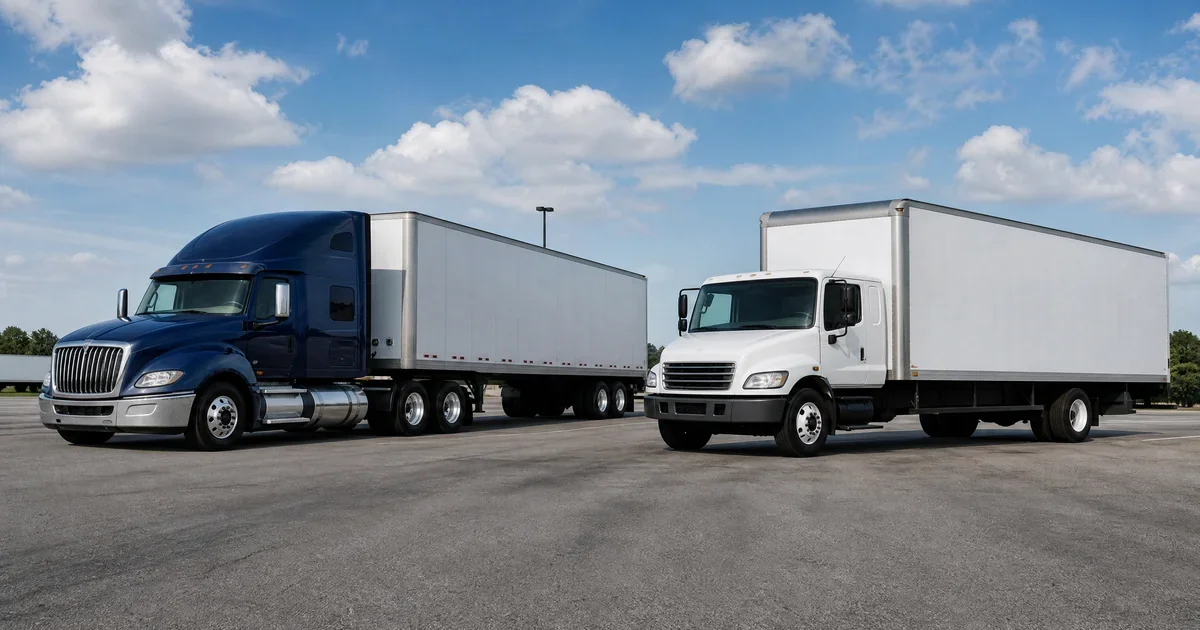
Most people use the terms loosely, but if you’re in the trucking industry or thinking about getting into it, the distinction between these two vehicle types is worth understanding clearly. The confusion is understandable: they’re both big, they both move freight, and they both show up at loading docks. But the way they’re built and the jobs they’re best suited for are genuinely different.
Whether you’re a fleet operator, an owner-operator evaluating your next purchase, or someone new to commercial trucking, understanding semi truck vs full truck differences helps you make better decisions about licensing, applications, and maintenance. Teams from 24/7 mobile truck repair providers like ours service both types across the Pacific Northwest.
The Core Structural Difference
The most fundamental answer to the debate comes down to how the vehicle carries its cargo. A semi truck, also called a tractor-trailer or 18-wheeler, is a two-piece combination. The front tractor unit provides the power and the driver’s cab, while the cargo rides in a completely separate, detachable trailer. That trailer is called a semi-trailer because it has rear axles but no front axle. The front end of the trailer rests on the fifth wheel of the tractor, which bears part of the load. A full truck, often called a straight truck or box truck, is a single-unit vehicle where the cab, chassis, and cargo area are all on the same frame. Nothing detaches.
Cargo Capacity and Route Suitability
When comparing semi truck vs full truck capacity, semi trucks have a clear advantage in long-distance freight. A loaded combination can legally gross out at 80,000 pounds under federal regulations, and trailers can run up to 53 feet in most states. Full trucks, by contrast, are generally classified as Class 7 vehicles with GVWRs topping out at 33,000 pounds, and their cargo boxes typically max out around 26 feet in length. That’s not a weakness on shorter regional runs or in urban environments, where the maneuverability of a straight truck is actually an advantage over a long combination. Our mobile fleet repair in Portland team works with both configurations daily.
Licensing Requirements
The distinction also matters significantly for licensing. Driving a semi truck requires a Class A CDL in every state, since you’re operating a combination vehicle above 26,001 pounds. Full trucks may only require a Class B CDL, or in some cases just a standard driver’s license depending on the truck’s GVWR and the state you’re operating in. That licensing difference affects hiring, training costs, and the size of the driver pool available to fleet operators. Fleet managers who understand these requirements can build stronger teams, which is one of the core ideas behind effective fleet management strategies.
Flexibility and Operational Advantages
A major operational advantage of the semi truck is the ability to drop and hook. Your tractor can deliver one trailer, drop it at a yard or dock, and immediately pick up another, keeping the power unit moving and earning while trailers are loaded or unloaded by others. Full trucks don’t offer that flexibility since the cargo area is permanent. However, a full truck’s smaller footprint makes deliveries to tight urban docks, residential areas, and locations with low overhead clearances much more practical.
Knowing Which One Your Operation Needs
The semi truck vs full truck decision ultimately comes down to your routes, volumes, and operational model. Both vehicle types require proper maintenance to stay reliable and compliant. Avanti Fleet services both semi trucks and straight trucks throughout Vancouver and the Portland metro, providing DOT inspections, mechanical repairs, and mobile service for commercial vehicles of all types. Give us a call to discuss the maintenance needs of your specific fleet.