Blogs
Common Reasons for SCR System Altered or Fault Detected

That warning message on your dash is not subtle. When your truck displays SCR system altered or fault detected, it means the engine control module has identified a problem with your emissions aftertreatment system and has decided to take action. If you’ve never seen it before, the natural reaction is concern. If you’ve seen it before, you already know that getting ahead of it is the only smart move.
The SCR system is responsible for reducing nitrogen oxide emissions by injecting Diesel Exhaust Fluid into the exhaust stream. When it malfunctions, your truck doesn’t just fail emissions standards. It enters a progressive derate that limits your speed and power until the problem is resolved. Understanding what’s behind the SCR system message is how you avoid getting stuck on the side of a highway with a truck that won’t do more than 5 mph. Commercial vehicle repair specialists see SCR faults regularly and know how to resolve them before the derate escalates.
What the SCR System Actually Does
Selective Catalytic Reduction was introduced on diesel trucks in 2010 to meet EPA emission regulations. Your system uses a pump to inject DEF, which is a mixture of urea and deionized water, into the exhaust stream upstream of the SCR catalyst. The ammonia created through this process reacts with NOx in the catalyst and converts it to harmless nitrogen and water vapor. When any part of this chain breaks down, the ECM detects that the system is no longer performing as expected and triggers the SCR system warning.
DEF Quality and Contamination
Poor quality or contaminated DEF fluid is the leading preventable cause of an SCR system altered or fault-detected message across all diesel truck brands. DEF must be exactly 32.5 percent urea concentration. Fluid that’s too diluted, too concentrated, frozen, or contaminated with diesel or water will trigger a quality fault through the DEF quality sensor in the tank. If your DEF gauge drops suddenly without a visible leak, or the system reports a quality fault shortly after a DEF fill, the fluid itself is worth suspecting first. Regular emissions compliance checks during your DOT truck inspection can catch DEF system issues early.
NOx Sensors and the DEF Injector
Your truck runs inlet and outlet NOx sensors to verify that the SCR catalyst is achieving the expected reduction in emissions. If either sensor fails or reads outside its normal range, the ECM interprets this as a system failure and records a fault. The DEF dosing injector, which sprays fluid into the exhaust pipe, can clog with crystallized DEF, particularly if the truck sits idle for extended periods. A clogged injector produces an SCR system message because the system cannot confirm that DEF is being delivered to the catalyst.
How the Derate Progresses
The derate system is progressive. Under current EPA guidance for 2025 and newer systems, you have roughly 650 miles or 10 hours after the initial fault before any performance impact. After that, a 15 percent torque reduction kicks in for up to approximately 4,200 miles. If the fault still isn’t resolved, the system can limit your speed to 25 mph. In severe cases or older trucks with different derate calibrations, a 5 mph hard derate can activate. None of these outcomes are good for your schedule, which is exactly why acting on an SCR system warning quickly matters. Drivers dealing with derates should also review proper regeneration frequency guidelines to keep their aftertreatment systems healthy.
Get It Resolved Before the Derate Gets Serious
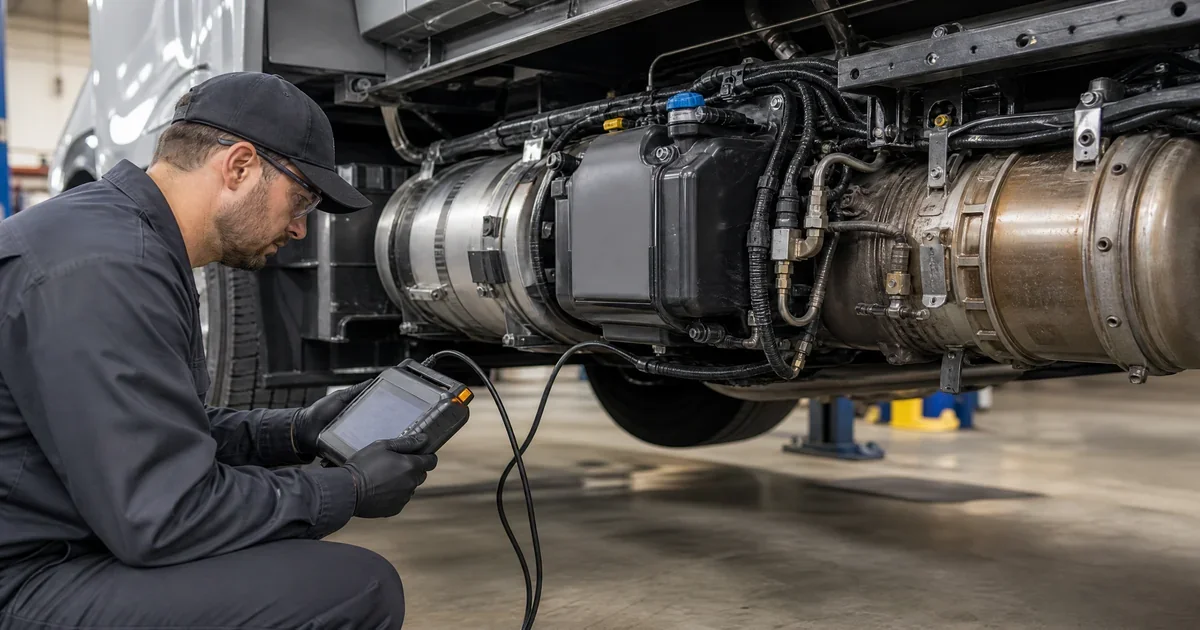
Pulling diagnostic fault codes with a compatible scan tool is the essential first step, since the dashboard message alone doesn’t tell you which component failed. Avanti Fleet’s technicians diagnose and resolve SCR and DEF system faults for commercial trucks throughout Vancouver and the Portland metro. Contact us when your dash shows an SCR system altered or fault detected warning and get a proper diagnosis before the derate takes your truck off schedule.