
Blogs
What Causes Low Oil Pressure in a Truck?

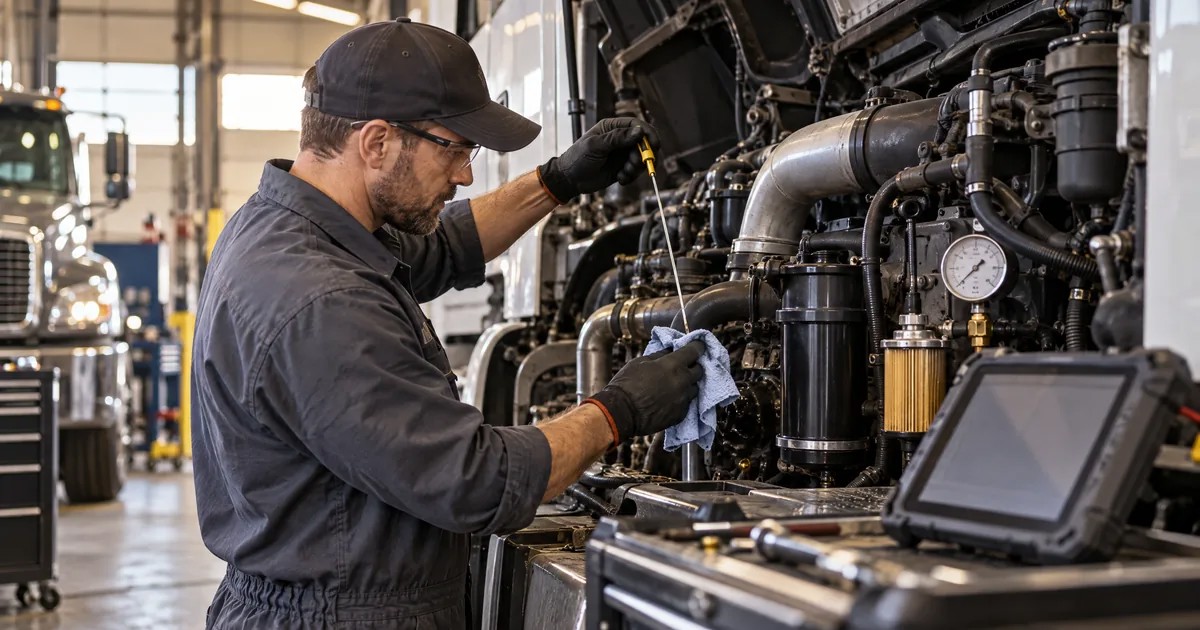
Your oil pressure gauge is one of the most critical instruments on your dashboard. It tells you at a glance whether your engine is receiving the lubrication it needs to keep all those moving parts from grinding against each other. When that gauge drops, or when the oil pressure warning light activates, ignoring it is not an option. If you are wondering what causes low oil pressure in a truck, this is the information you need right now.
Low oil pressure can come from several different sources, ranging from something as simple as a low oil level to something as serious as a failing oil pump or worn engine bearings. Understanding the difference matters enormously, because acting quickly can protect your engine from damage that would otherwise cost thousands to repair.
Low Oil Level
This is always the first thing to check. If your truck is running low on oil, there simply is not enough fluid in the system to maintain pressure throughout the engine. Low oil levels develop from slow leaks, oil being consumed through worn seals or piston rings, or simply falling behind on oil changes. Pull the dipstick and check before assuming anything more serious is at play. If your engine is also producing unusual exhaust, see the guide on why a diesel truck blows white smoke for other possible warning signs.
A Worn or Failing Oil Pump
The oil pump circulates oil under pressure through every part of the engine. Over time and high mileage, the pump can wear internally and lose its ability to generate sufficient pressure. A worn oil pump is one of the more serious answers to what causes low oil pressure in a truck because the pump needs to be replaced to resolve the problem. There is no way to repair a worn pump. A commercial vehicle repair assessment can help identify the cause of the pressure loss.
Clogged Oil Filter or Pickup Tube
An oil filter that has not been changed on schedule can become clogged enough to restrict oil flow significantly. The oil pickup tube inside the engine can also become blocked with sludge that builds up when oil changes are skipped. This is one of the most preventable causes of low oil pressure in a truck. Staying current on oil and filter changes directly prevents this.
Wrong Oil Viscosity
Using the incorrect oil weight for your engine and operating climate can affect pressure readings directly. Oil that is too thin loses pressure under heat and load. Oil that is too thick in cold weather restricts flow during cold starts and can starve the engine of lubrication in those critical first moments. Always follow the viscosity recommendation specified by your engine manufacturer for your conditions.
Worn Engine Bearings
As engine bearings wear over time, the clearance between moving surfaces increases. Oil flows through these gaps more quickly than it should, which reduces system pressure. Worn bearings are typically a result of high mileage or extended periods of insufficient lubrication. Addressing them involves significant internal engine work, which is exactly why catching what causes low oil pressure in a truck early matters so much.
What to Do When the Warning Light Activates
If your oil pressure warning light comes on while you are driving, find a safe place to pull over as soon as possible. Running an engine with critically low oil pressure, even for just a few minutes, can cause catastrophic damage to bearings, camshafts, and cylinder walls. Shut the engine off and check your oil level. If it is not a simple level issue, call for professional help rather than risk driving further. If your truck cannot be driven safely, consider 24/7 mobile truck repair.
Now that you understand what causes low oil pressure in a truck, the right next step is getting it properly diagnosed. Avanti Fleet in Vancouver, WA offers diesel engine diagnostics and repair services 24 hours a day, 7 days a week.
You can call today and protect your engine before the damage becomes irreversible.