
Blogs
Trailer ABS Light Stays On? Here’s What It Means

You’re doing your pre-trip walk around, everything looks normal, and then you notice it. That little amber light on the back of your trailer just won’t turn off. Maybe it flickers for a second and comes right back, or maybe it just sits there glowing no matter what you do.
A trailer ABS light stays on for a handful of specific reasons, and ignoring it is never the right move, even if your brakes seem to be working fine otherwise. Let’s break down what’s really going on back there and how you can get it sorted before it turns into a bigger problem at the scale house.
What the ABS Light Is Actually Telling You
Your trailer’s anti-lock braking system exists to keep your wheels from locking up during hard braking, which helps you maintain control and shortens your stopping distance. When that trailer ABS light stays on, the system has detected a fault and disabled itself as a safety precaution. Your regular brakes still work, but you’ve lost the extra protection ABS gives you, especially on wet or icy roads.
The Usual Suspects Behind the Warning
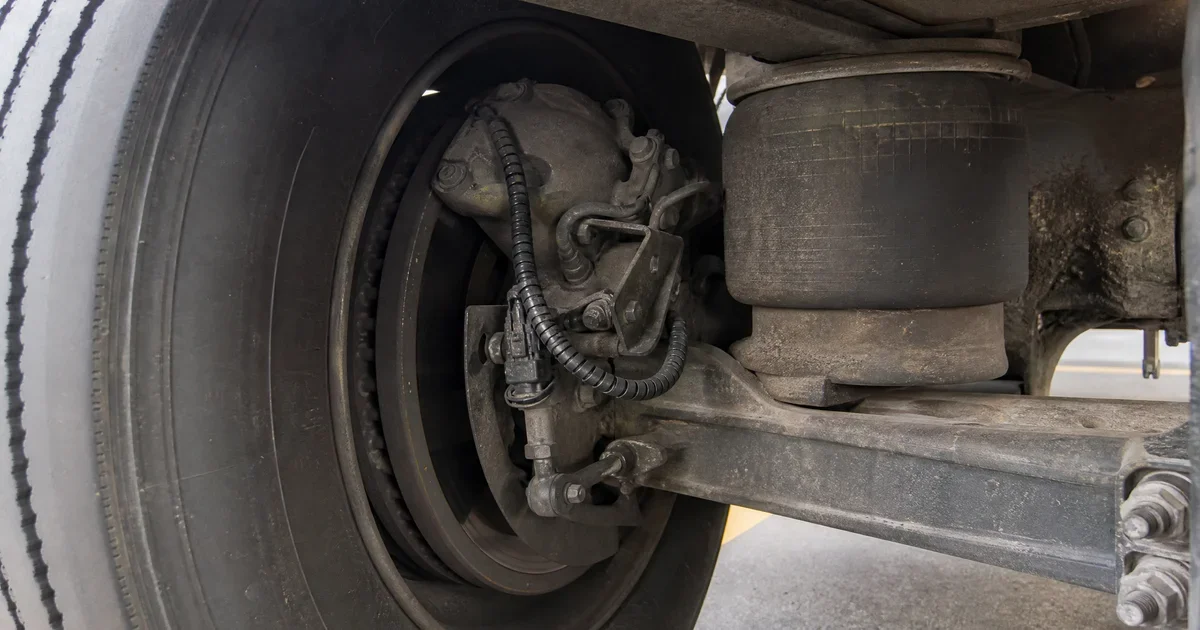
Wheel speed sensors are one of the most common reasons a trailer ABS light stays on. These sensors sit near the tone ring on each wheel end, and they can get knocked out of alignment, coated in road grime, or damaged outright. Wiring is another frequent offender. Cables that rub against the frame or suspension components over thousands of miles eventually fray or short out, and that interruption is enough to trigger the light.
Don’t overlook the seven-way connector either. Corrosion or loose pins at that connection point can cut power to your trailer’s ABS module, and in some setups, the trailer draws power through the brake light circuit rather than a dedicated line. That quirk alone explains why a trailer ABS light stays on for some drivers and flickers for others depending on road conditions.
Intermittent Versus Constant Warnings
If your light flickers on rough roads and disappears once you’re back on smooth pavement, that pattern usually points to a wiring or connector issue rather than a failed sensor. But don’t assume it’ll fix itself. What starts as an occasional flicker often becomes a permanent ABS light that stays on if the underlying wear keeps progressing.
Getting to the Bottom of It
The fastest way to diagnose the issue is with a proper diagnostic scan. Modern systems can pull blink codes or fault codes that point straight to the failing component, whether that’s a specific wheel sensor, a wiring segment, or the ABS module itself. Guessing and swapping parts one at a time wastes time and money that a proper scan avoids entirely.
Don’t Drive Around the Problem
A trailer ABS light stays on for a reason, and that reason deserves a real fix, not a bungee cord holding your pigtail in place.