
Blogs
Why Is My Diesel Truck Blowing White Smoke?

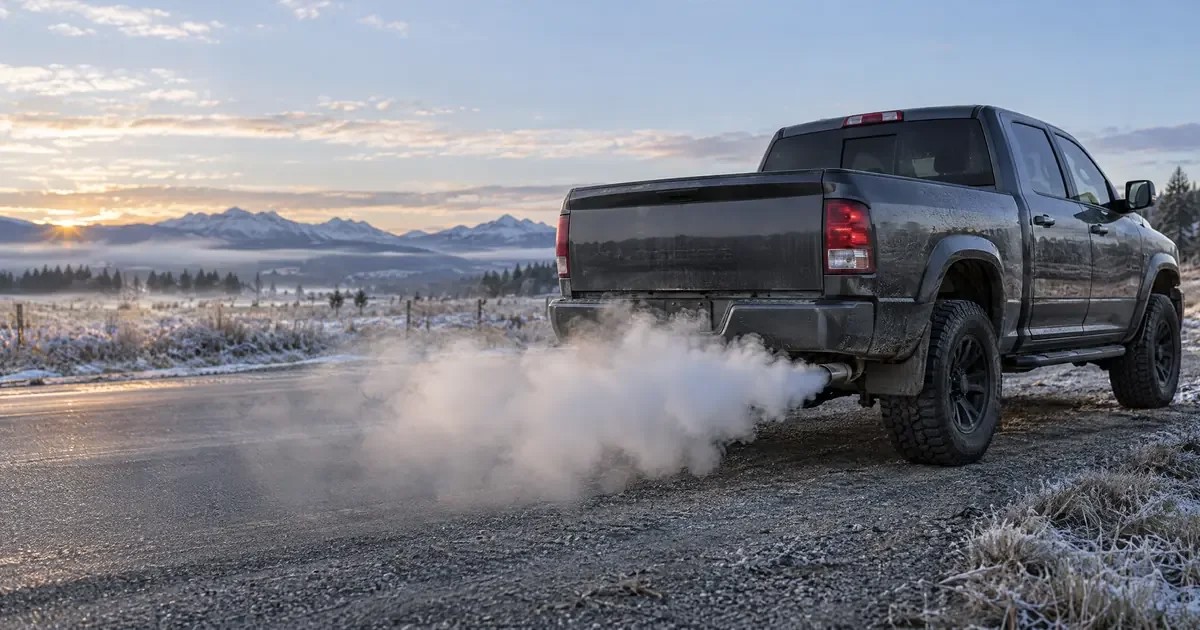
White smoke pouring from your diesel exhaust is one of those things you notice immediately and cannot ignore. It shows up in your mirrors, grabs your attention, and raises an urgent question about what is happening inside your engine. If you have been asking yourself why your diesel truck is blowing white smoke, you have come to the right place for real answers.
The truth is that white smoke from a diesel engine has several possible causes, and not all of them call for immediate panic. Some are simple to address, and some are genuinely serious. Understanding what the smoke is telling you is what helps you decide whether to pull over immediately or schedule a service visit. Let’s walk through the most common culprits.
Not All White Smoke Is the Same
On a cold morning, a brief puff of white vapor from your exhaust is almost always just condensation burning off as the engine warms up. It clears within a minute or two and is not a concern. The kind of white smoke you should worry about is thick, continuous, and may come with a sweet smell or a noticeable drop in performance. Thick, persistent smoke that does not clear quickly is the kind that warrants immediate attention.
Faulty Fuel Injectors
Fuel injectors must deliver a precise amount of diesel fuel at exactly the right moment in the combustion cycle. When an injector malfunctions, raw unburned diesel can pass through the combustion chamber and exit through the exhaust as white smoke. This is one of the most common reasons why your diesel truck is blowing white smoke and is something a diesel technician can diagnose with the right equipment. For related warning signs, see signs of bad fuel injectors.
Coolant Leaking Into the Combustion Chamber
When coolant finds its way into the combustion chamber, it burns off and exits as thick white smoke, often with a distinctly sweet smell. A blown or cracked head gasket is one of the most frequent causes of this kind of coolant intrusion. The head gasket creates an airtight seal between the cylinder head and the engine block. When it fails along a coolant path, fluid enters the cylinder. Continued driving with this problem can cause rapid overheating and significantly compound the damage. A truck coolant system repair service can help address the underlying issue.
Oil Burning Inside the Engine
Worn valve seals, damaged piston rings, or failed gaskets can allow engine oil to enter the combustion chamber. As it burns, it exits through the exhaust as white or slightly bluish-white smoke. You may also notice your oil level dropping faster than expected between changes. Oil burning in the combustion chamber is a sign that important internal engine components are no longer sealing properly.
Glow Plug Failure in Cold Conditions
Glow plugs heat the combustion chamber before startup to help diesel ignite cleanly, especially in cold temperatures. When glow plugs fail, the chamber does not reach the temperature needed for complete combustion. Unburned fuel then exits as white smoke. This typically clears once the engine warms fully, but failing glow plugs should still be replaced promptly to prevent ongoing incomplete combustion.
What to Do When You See White Smoke
Check your coolant and oil levels as a first step. Note whether the smoke has a smell, how thick it is, and whether it clears or persists after warm-up. These details give your mechanic a head start on diagnosis. If the smoke is heavy and continuous, do not keep driving. Get to a safe location and call for professional help. If your truck cannot be driven safely, 24/7 mobile truck repair may be appropriate.
Wondering why your diesel truck is blowing white smoke and need a fast, accurate answer? Avanti Fleet in Vancouver, WA provides expert diesel engine diagnostics and repair services around the clock.
You can contact the team today and get back on the road with confidence.