
Blogs
How To Stop Rust On Truck Frame

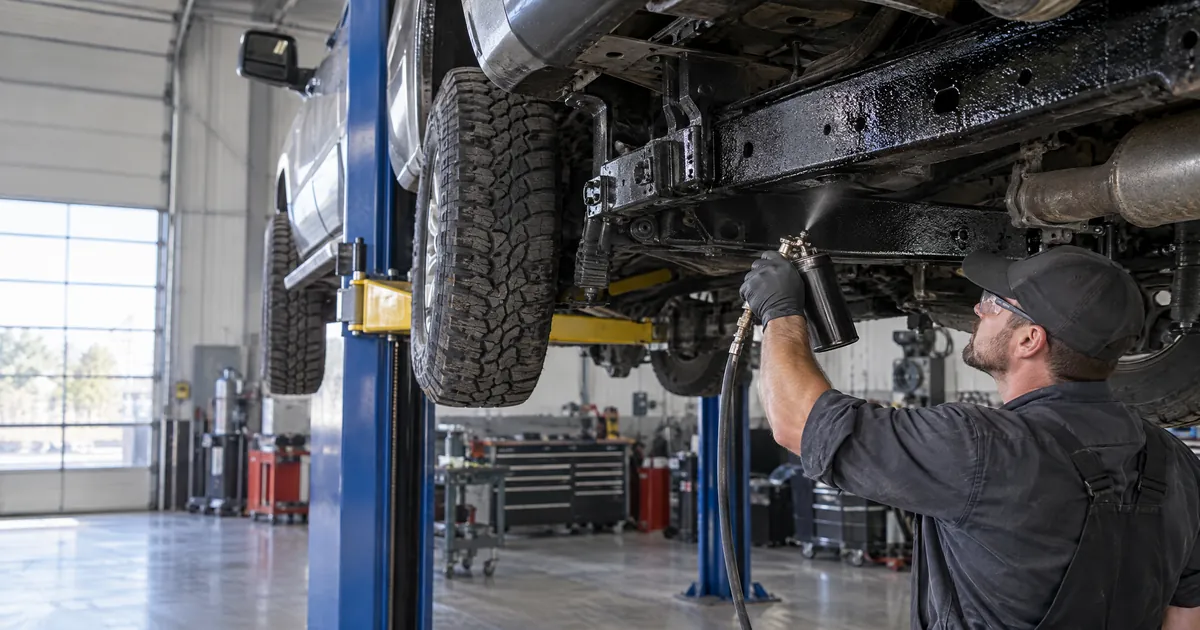
Rust on a truck frame is one of those problems that make your truck look old at first, until they become something even worse. What starts as surface discoloration on painted steel slowly works its way through the metal, and once it reaches the structural core of your frame rails and cross members, you’re dealing with a problem that affects your truck’s safety rating and potentially its repairability.
Knowing how to stop rust on a truck frame effectively means intervening at the right stage with the right approach. Surface rust that’s caught early is a straightforward fix. Structural rust that’s been allowed to progress is an entirely different and far more expensive conversation. Here’s what the process actually looks like at each stage.
Assess What Stage the Rust Is At
Before you can address the problem, you need to know exactly what you’re dealing with. Most trucks use metal frames. While metal is strong and flexible, it’s not the best when it comes to handling moisture. As trucks have to constantly deal with the outdoors, high humidity, and extreme cold temperatures, these conditions can cause the material to deteriorate over time.
Surface rust is oxidation that’s confined to the outer layer of the steel. Scale rust has gone deeper and causes the metal surface to flake and pit. Penetrating rust has compromised the metal’s structural thickness. Knowing which stage you’re at determines whether cleaning and coating is enough or whether repair and reinforcement is needed before coating. Now that you know it happens and the types you may have to deal with. Let’s look at the ways to stop it.
Mechanical Removal Comes First
For any stage beyond fresh surface rust, coating over the oxidation without removing it first guarantees failure. The rust continues under whatever coating you apply and lifts it from below within a short time. Wire brushing, angle grinding with a wire wheel, and needle scalers are the mechanical tools that remove loose scale and oxidation to expose bare metal. For heavy rust in tight areas of the frame, this is the most labor-intensive part of how to stop rust on a truck frame effectively, but skipping it makes the rest of the process worthless.
Chemical Treatment for Surface Preparation
After mechanical removal, a phosphoric acid-based rust converter is applied to bare metal areas and chemically reacts with any remaining rust, converting iron oxide to iron phosphate. Iron phosphate is a stable, dark compound that doesn’t continue to corrode and provides a primer-like surface for coating adhesion. This chemical treatment step is a key part of how to stop rust on a truck frame properly, particularly in areas where complete mechanical removal is difficult due to access constraints.
Coating Selection and Application
The coating you apply over prepared metal is what locks the treatment in and prevents new oxidation from starting. Products designed specifically for frame and underbody applications, including rubberized undercoating, rust-inhibiting enamel, and two-part epoxy coatings, all perform significantly better than standard spray paint for this purpose. Heavy-duty truck frames benefit from products rated for constant road splash, salt exposure, and temperature cycling. Proper application requires clean, dry metal and appropriate environmental conditions for the coating to cure correctly.
Professional Frame Service When the Damage Is Advanced
When rust has progressed to the structural level, coating alone is not sufficient. Frame reinforcement, section replacement, or professional structural repair needs to precede any coating work. How to stop rust on a truck frame that has already reached this stage requires a shop with the right equipment to assess structural integrity and perform the necessary repair.
Avanti Fleet provides truck chassis and frame service for commercial vehicles throughout Vancouver and the Portland metro.
Contact us to have your frame evaluated and get the right intervention for whatever stage the rust has reached.